
 info@shyping.com
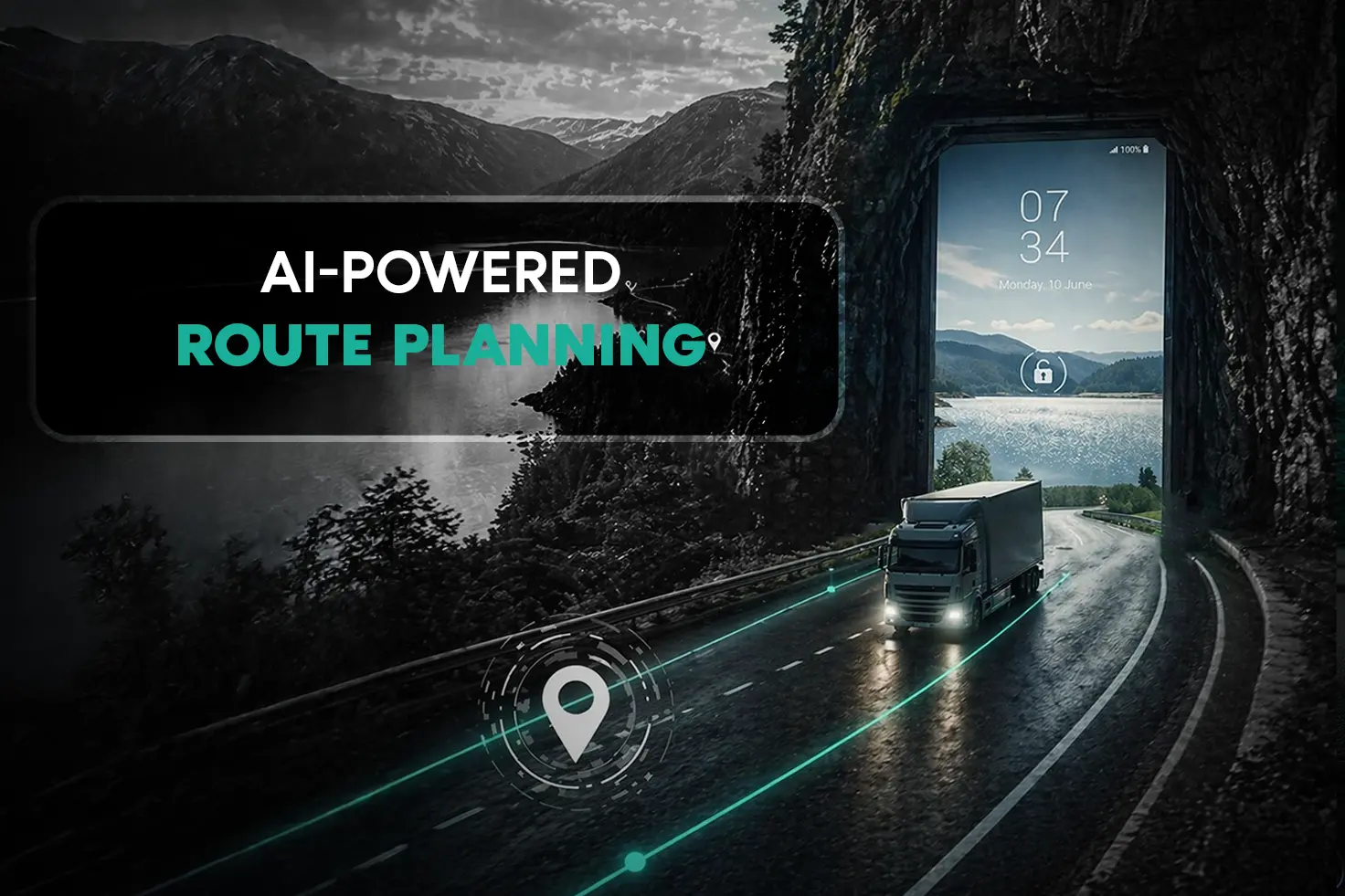
In today’s logistics environment, efficiency is no longer defined by speed alone. It is measured by how intelligently operations are planned, executed, and continuously improved. Traditional route planning methods, often based on static data and manual input, are no longer sufficient to meet the growing demands of last-mile delivery and modern transportation networks.
With the integration of artificial intelligence and machine learning, route planning has evolved into a dynamic, data-driven process. Shyping leverages these technologies to enable logistics companies to move beyond basic routing and adopt a system that continuously learns, adapts, and optimizes every delivery.
Moving Beyond Traditional Route Planning
Conventional route planning tools typically rely on fixed parameters, which limits their ability to respond to real-world variables such as traffic congestion, changing delivery priorities, or operational constraints. This often results in inefficiencies, delays and increased costs.
AI-powered route planning introduces a different approach. By analyzing both real-time and historical data, the system is able to make informed decisions that improve route accuracy and performance. Instead of reacting to problems as they occur, businesses can anticipate them and adjust proactively.
How Shyping Elevates Route Optimization
Shyping’s route planning capabilities are designed to consider the full complexity of logistics operations. Every route is calculated based on multiple layers of data, ensuring that the outcome is not only efficient on paper, but also practical in real-world conditions.
The system takes into account several critical factors:
- Real-time and historical traffic conditions to avoid delays
- Vehicle types and load capacities for optimal fleet utilization
- Delivery time windows to meet customer expectations precisely
- Historical performance data to continuously refine future routes
This level of intelligence transforms route planning from a basic function into a strategic advantage.
The Real Business Impact of AI-Driven Routing
The value of AI-powered route planning becomes clear when looking at its impact on daily operations. Logistics companies benefit from reduced fuel consumption and more efficient fleet usage, directly lowering operational costs. Delivery times become more accurate and consistent, strengthening reliability and customer satisfaction.
Beyond efficiency, there is also a human impact. Well-optimized routes create a more balanced workload for drivers, reducing stress and improving productivity. When routes are intelligently planned, operations run smoothly enough to allow for realistic schedules — even leaving room for short breaks, like a coffee stop, without affecting performance.
Continuous Improvement Through Machine Learning
One of the most powerful aspects of Shyping’s solution is its ability to continuously learn. Machine learning algorithms analyze patterns across deliveries, identifying trends that may not be visible through manual analysis.
Over time, the system becomes increasingly accurate. Recurring routes are refined, peak traffic periods are anticipated, and inefficiencies are gradually eliminated. This creates a long-term optimization cycle where performance improves naturally as more data is processed.
A Fully Integrated Logistics Ecosystem
Route planning is most effective when it is connected to the broader logistics ecosystem. Within Shyping’s Transport Management System, routing is seamlessly integrated with driver applications, customer communication tools and backoffice monitoring systems.
This ensures that every optimized route is executed efficiently, tracked in real time and supported by clear communication. The result is a synchronized operation where planning, execution and visibility are fully aligned.
Frequently Asked Questions
What makes AI route planning different from traditional routing?
AI route planning uses real-time and historical data to continuously optimize routes, while traditional systems rely on fixed inputs.
Can AI route optimization handle complex delivery operations?
Yes. It is designed to manage multiple variables such as time windows, vehicle types and traffic conditions simultaneously.
Does machine learning improve performance over time?
Absolutely. The system learns from each delivery, refining routes and improving efficiency.
Is this solution suitable for growing logistics companies?
Yes. It supports scalability by allowing businesses to handle more deliveries without increasing operational complexity.
Smarter Routes Start with Smarter Technology
AI and machine learning are redefining how logistics operations are planned and executed. Businesses that adopt intelligent routing systems are not only improving efficiency, but also building a more resilient and scalable operation.
Key outcomes companies experience include:
- Reduced operational costs through optimized routing and fuel efficiency
- Faster and more reliable deliveries
- Improved customer satisfaction with accurate delivery windows
- Better driver experience and workload balance
Shyping provides the tools to make this transition seamless, combining advanced technology with practical execution to deliver measurable results.
Book a Demo
If you are looking to reduce costs, improve delivery accuracy and gain full control over your logistics operations, it’s time to upgrade your route planning strategy.
Book a demo with Shyping today and discover how AI-powered route optimization can transform your business.