
 info@shyping.com
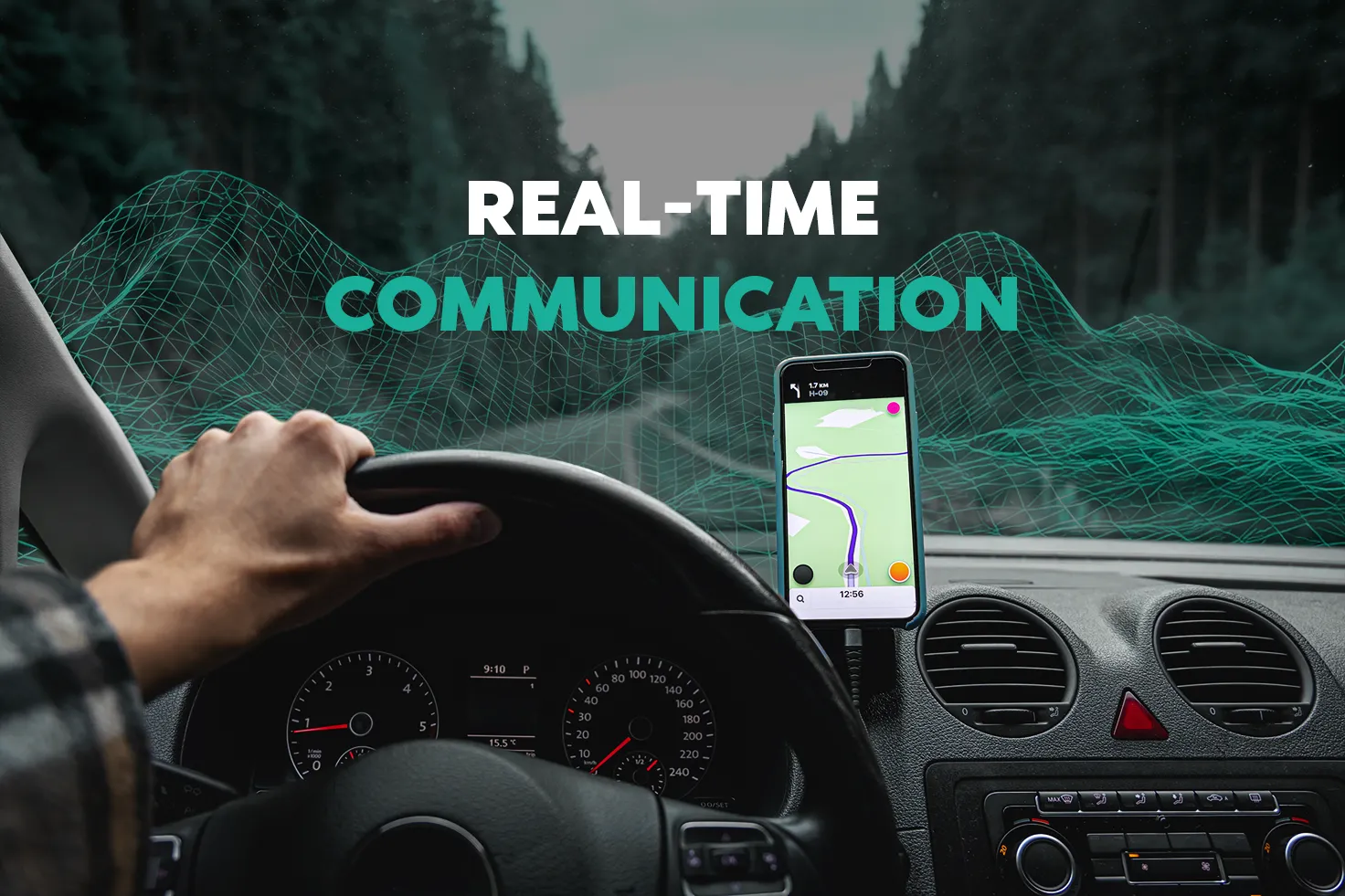
In today’s fast-moving logistics environment, communication is no longer a support function, it is a core operational requirement. As customer expectations continue to rise, businesses need more than just delivery tracking; they need real-time, direct communication with customers.
A modern Transport Management System (TMS) bridges this gap by enabling seamless interaction between logistics teams and end customers. This capability is essential for improving transparency, reducing failed deliveries and building long-term customer trust.
Why Direct Communication Matters in Modern Logistics
Last-mile delivery is the most sensitive stage of the logistics chain. Even minor delays or changes can impact customer satisfaction and operational efficiency.
Without direct communication:
- Customers are left uncertain about delivery timing
- Failed delivery attempts increase
- Customer service teams become overloaded
- Brand reputation is negatively affected
With a TMS that supports direct communication, businesses gain control over the customer experience while improving operational outcomes.
What Is Direct Communication in a TMS?
Direct communication in a Transport Management System refers to the ability to interact with customers in real time through the platform itself.
This includes:
- Sending delivery updates and notifications
- Informing customers about delays or route changes
- Confirming delivery time windows
- Providing proactive communication before issues escalate
Instead of relying on manual calls or disconnected systems, all communication is centralized, automated and trackable.
Key Benefits of Direct Customer Communication
1. Increased Delivery Success Rate
Proactively notifying customers about delivery status significantly reduces missed deliveries. Customers are better prepared to receive their orders, leading to fewer reattempts.
2. Improved Customer Experience
Clear and timely communication enhances the overall delivery experience. Customers feel informed, valued and in control.
3. Operational Efficiency
Reducing failed deliveries and customer inquiries allows logistics teams to focus on execution rather than problem resolution.
4. Stronger Brand Trust
Transparency builds trust. When customers are kept informed, even during delays, they are more likely to remain loyal.
How Direct Communication Enhances Last-Mile Logistics Performance
A well-integrated TMS does more than send notifications; it creates a communication flow that supports decision-making and operational agility.
For example, when a delay occurs, the system can automatically trigger a message to the customer. This small action prevents frustration, reduces inbound support requests and maintains a professional brand image.
At the same time, logistics teams benefit from:
- Real-time visibility into communication history
- Reduced dependency on manual coordination
- Better alignment between dispatchers, drivers and customers
This level of integration transforms communication into a strategic advantage rather than a reactive task.
Essential Features to Look for in a Communication-Enabled TMS
When evaluating a transport management software, direct communication capabilities should be a priority.
Key features include:
- Automated delivery notifications (SMS or app-based)
- Real-time delay alerts and updates
- Centralized communication dashboard
- Integration with route planning and driver applications
- Proof of delivery with customer confirmation
- Customizable messaging based on delivery status
These features ensure that communication is not only fast, but also relevant and actionable.
The Role of Communication in Building Scalable Logistics Operations
As delivery volumes grow, maintaining consistent communication becomes increasingly complex. Manual processes simply cannot scale.
A TMS with built-in communication tools enables:
- Consistent messaging across all deliveries
- Automation of repetitive tasks
- Standardization of customer experience
- Data-driven insights into communication performance
This allows logistics companies to scale operations without compromising service quality.
Direct Communication and AI-Driven Logistics
With the rise of AI-powered logistics platforms, communication is becoming even more intelligent and predictive.
Advanced systems can:
- Anticipate delays based on traffic or route conditions
- Automatically notify customers before issues occur
- Personalize communication based on customer preferences
- Optimize delivery schedules based on real-time feedback
This evolution positions direct communication as a key component of next-generation transport management systems.
Frequently Asked Questions (FAQ)
What is direct communication in a transport management system?
Direct communication in a TMS allows logistics companies to send real-time updates, notifications and alerts directly to customers regarding their deliveries, without relying on manual calls or external tools.
How does direct communication improve delivery success rates?
By informing customers in advance about delivery timing or delays, they can better prepare to receive their orders, which reduces failed delivery attempts and re-deliveries.
Can a TMS automate customer communication?
Yes, modern TMS platforms can automate communication based on delivery status, route changes or delays, ensuring timely and consistent updates without manual intervention.
What communication channels are typically used in a TMS?
Most systems support SMS notifications, mobile app alerts and sometimes email updates, all integrated within the platform.
Why is communication important in last-mile delivery?
Last-mile delivery is the most customer-facing stage of logistics. Clear communication ensures transparency, improves customer satisfaction and strengthens brand trust.
How does communication impact customer experience in logistics?
Real-time updates and proactive notifications create a smoother, more predictable delivery experience, making customers feel informed and confident in the service.
Communication Is No Longer Optional
In modern logistics, efficiency alone is not enough. Customers expect visibility, updates and reliability at every step of the delivery process.
Direct communication within a Transport Management System ensures that businesses can meet these expectations while improving operational performance.
Companies that invest in communication-driven logistics solutions are better equipped to deliver consistent, reliable and customer-focused services.
Ready to Improve Your Delivery Communication?
If your logistics operations rely on fragmented communication or manual updates, it’s time to upgrade your approach.
Shyping’s Transport Management System enables direct, real-time communication with customers, helping you reduce failed deliveries, improve transparency and build lasting trust.
Book a demo today and discover how smarter communication can transform your last-mile delivery operations.