
 info@shyping.com
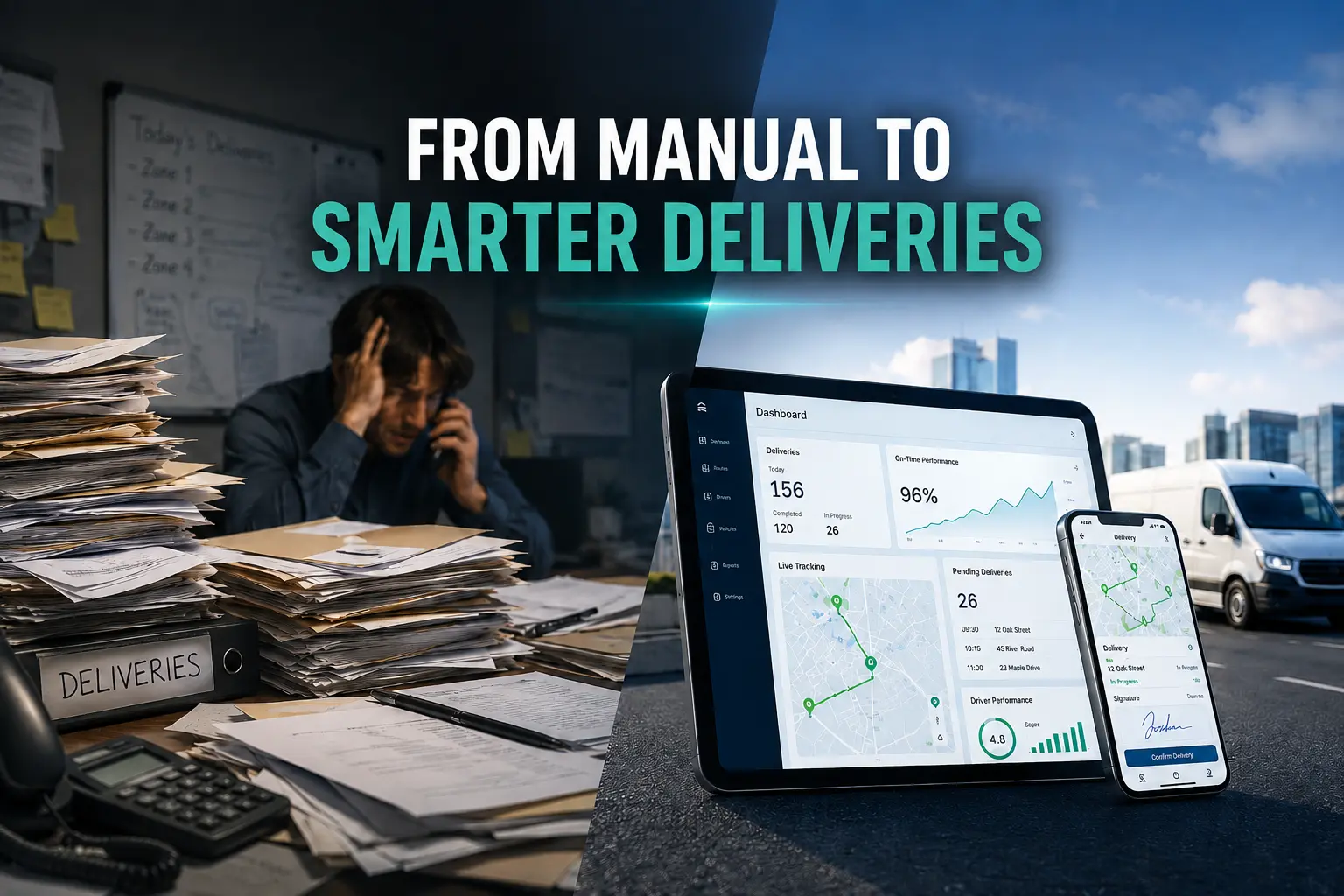
The logistics industry is evolving rapidly. Customer expectations are higher, delivery volumes continue to grow, and businesses are under constant pressure to improve efficiency while reducing operational costs. Yet many transportation and delivery companies still rely on manual processes such as spreadsheets, phone calls, emails, and paper-based workflows to manage their daily operations.
While these methods may seem familiar, they often create hidden costs that impact productivity, customer satisfaction, and profitability.
As logistics operations become more complex, companies are increasingly investing in digital logistics platforms that provide real-time visibility, automated workflows, route optimization, and performance insights.
The Problem with Manual Delivery Management
Manual delivery management often works when operations are small. However, as businesses grow, managing deliveries without a centralized system becomes increasingly difficult.
Common challenges include:
- Limited visibility into delivery operations
- Time-consuming route planning
- Delays caused by manual communication
- Difficulty tracking driver performance
- Increased administrative workload
- Higher fuel and operational costs
- Poor customer experience due to lack of delivery updates
When teams rely on multiple disconnected tools, valuable time is spent searching for information instead of improving operations.
Hidden Cost #1: Inefficient Route Planning
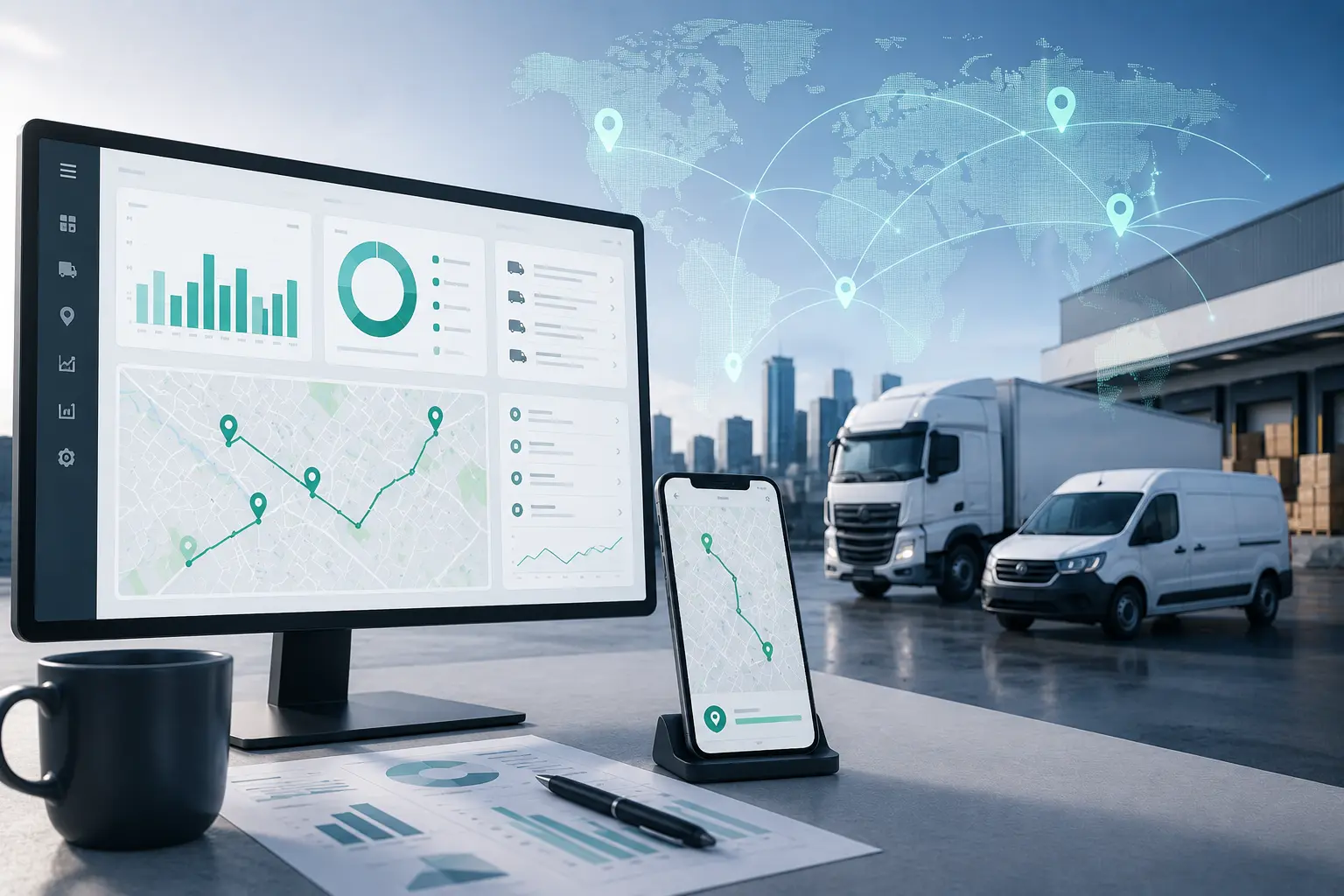
One of the largest expenses for logistics companies is transportation cost. Without intelligent route planning, drivers may travel longer distances, encounter unnecessary delays, or make inefficient delivery sequences.
Manual route planning often results in:
- Increased fuel consumption
- Higher vehicle wear and tear
- Longer delivery times
- Reduced driver productivity
Modern route optimization technology helps logistics companies create smarter routes based on delivery locations, traffic conditions, vehicle capacity, and operational constraints.
The result is lower costs and improved delivery performance.
Hidden Cost #2: Lack of Real-Time Visibility
Many logistics teams struggle to answer a simple question:
“Where is the delivery right now?”
Without real-time monitoring, operations teams spend significant time contacting drivers, checking delivery statuses, and updating customers manually.
This creates:
- Operational inefficiencies
- Increased customer service workload
- Delayed issue resolution
- Reduced customer confidence
Digital logistics platforms provide real-time visibility across the entire delivery operation, allowing teams to monitor deliveries, identify potential delays and respond proactively.
Hidden Cost #3: Customer Service Overload
Customers today expect transparency.
When customers do not receive delivery updates, they often contact customer service teams for information. This increases call volumes and places additional pressure on support teams.
Common customer questions include:
- Where is my order?
- When will my delivery arrive?
- Has my delivery been delayed?
- Can I change my delivery time?
Providing automated delivery notifications, live tracking, and accurate estimated arrival times significantly reduces customer inquiries while improving the overall delivery experience.
Hidden Cost #4: Limited Performance Measurement
You cannot improve what you cannot measure.
Companies using manual processes often lack access to meaningful delivery performance data.
Without analytics, it becomes difficult to understand:
- Delivery success rates
- Driver productivity
- Route efficiency
- On-time delivery performance
- Customer satisfaction trends
A digital logistics platform transforms operational data into actionable insights, helping managers make informed decisions and continuously improve performance.
Hidden Cost #5: Manual Proof of Delivery Processes
Paper-based delivery confirmations can create delays, errors and disputes.
Manual proof of delivery processes often lead to:
- Lost documentation
- Slow invoice processing
- Increased administrative work
- Difficulty resolving customer disputes
Digital Proof of Delivery (POD) solutions enable drivers to capture signatures, photos, and delivery confirmations directly from mobile devices, creating a faster and more reliable process.
Why Logistics Companies Are Moving Toward Digital Transformation
Digital transformation is no longer a future initiative. It has become a competitive necessity.
Companies that adopt logistics technology gain significant advantages:
- Improved operational efficiency
- Better delivery visibility
- Reduced transportation costs
- Enhanced customer satisfaction
- Faster decision-making
- Greater scalability for growth
By replacing manual processes with connected digital solutions, businesses can create more predictable, efficient, and customer-focused delivery operations.
How Shyping Helps Logistics Companies Modernize Operations
Shyping provides a comprehensive logistics platform designed to simplify and optimize last-mile delivery operations.
Through an integrated ecosystem that includes a Backoffice Application, Route Planning Solution, Driver Application, and Consumer Application, logistics companies can manage their operations from a single platform.
Key capabilities include:
- Real-time delivery monitoring
- Intelligent route planning and optimization
- Automated customer notifications
- Digital Proof of Delivery
- Driver performance insights
- Advanced analytics and reporting
- Delivery performance tracking
- Customer experience management
By connecting every stage of the delivery journey, Shyping helps transportation and logistics companies improve efficiency, increase visibility, and deliver a better customer experience.
The Future of Logistics Is Digital
The hidden costs of manual delivery management can significantly impact profitability and growth. As delivery operations become more demanding, relying on spreadsheets, phone calls, and disconnected processes is no longer sustainable.
Organizations that embrace digital logistics solutions are better positioned to reduce costs, improve delivery performance, and meet growing customer expectations.
For logistics companies looking to modernize their operations and gain greater control over their delivery network, digital transformation is no longer optional—it is the foundation for long-term success.
Ready to Transform Your Delivery Operations?
Discover how Shyping can help your business streamline logistics operations, improve delivery visibility, and optimize last-mile performance.
Contact Shyping today to learn how a connected logistics platform can support your growth and operational efficiency.