
 info@shyping.com

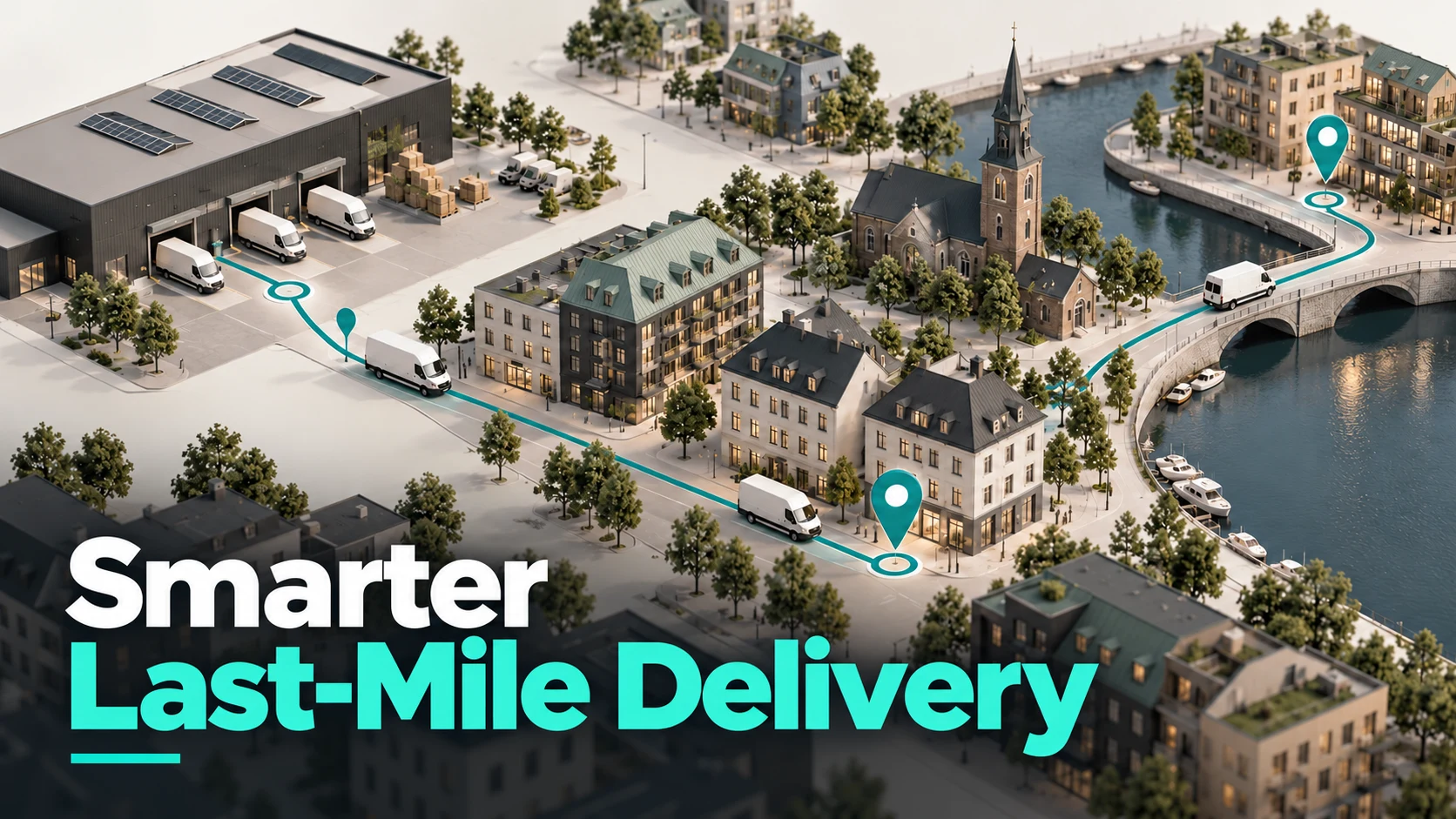
Last-mile delivery optimization is the continuous process of making final-mile routes more efficient, reliable and customer-friendly. It aims to complete more successful deliveries with the available fleet while reducing unnecessary distance, delays, manual work and failed attempts.
The most effective improvement programs connect planning with live execution. A perfect morning route is not enough if traffic changes, a customer is unavailable or a vehicle reaches capacity. Teams need a clear plan, real-time visibility and a repeatable way to learn from every exception.
1. Define what “optimized” means for your operation
Start with business priorities. A grocery operation may value tight time-window accuracy, while a bulky-goods carrier may prioritize vehicle compatibility and service time. An e-commerce fleet may focus on first-attempt success and customer communication.
Choose a balanced scorecard. Useful measures include on-time delivery, first-attempt success, distance per successful stop, stops per paid hour, time-window accuracy, customer contacts and exceptions per route. Optimizing only for distance can damage service quality.
2. Improve address and order data
Poor data creates planning errors before the vehicle leaves the depot. Standardize addresses, geocodes, telephone numbers, delivery instructions, parcel dimensions, required skills and time windows.
Ask customers for the details that affect delivery success. Access codes, floor numbers, loading restrictions and safe-place preferences are often more valuable than a free-text note added too late.
3. Plan routes around real operational constraints
Route optimization should consider vehicle capacity, vehicle type, time windows, depot rules, driver schedules, stop duration, traffic and service priorities. The goal is a route that can be executed, not simply a short line on a map.
Use different planning configurations for different delivery scenarios. Urban parcels, rural stops and oversized goods should not be forced through the same assumptions.
4. Balance routes, not just stops
Two routes with the same number of stops can require very different workloads. Compare estimated driving time, service time, vehicle capacity and delivery complexity.
Balanced routes reduce late finishes and rushed service. They also make plans more resilient when an unexpected delay occurs.
5. Build a simple driver workflow
Drivers need the next action to be obvious. A good mobile workflow guides them from loading and navigation through arrival, proof of delivery and exception reporting.
Reduce unnecessary clicks and standardize exception reasons. When drivers can contact dispatchers or customers quickly, problems are more likely to be resolved while the delivery is still recoverable.

6. Monitor routes in real time
Once routes start, shift from plan-based management to exception-based management. Use live route progress and predictive ETAs to identify deliveries at risk before a time window is missed.
Dispatchers should be able to adjust routes, reassign work and communicate changes. The earlier an exception is visible, the more response options remain.
7. Give customers useful, proactive updates
A tracking page should answer three questions: Is my delivery on the way? When should I expect it? What do I need to do?
Send an updated ETA when the plan materially changes. Make messages specific and useful. “Your delivery is delayed” creates uncertainty; a revised window and a next update time create confidence.
8. Use the right proof-of-delivery method
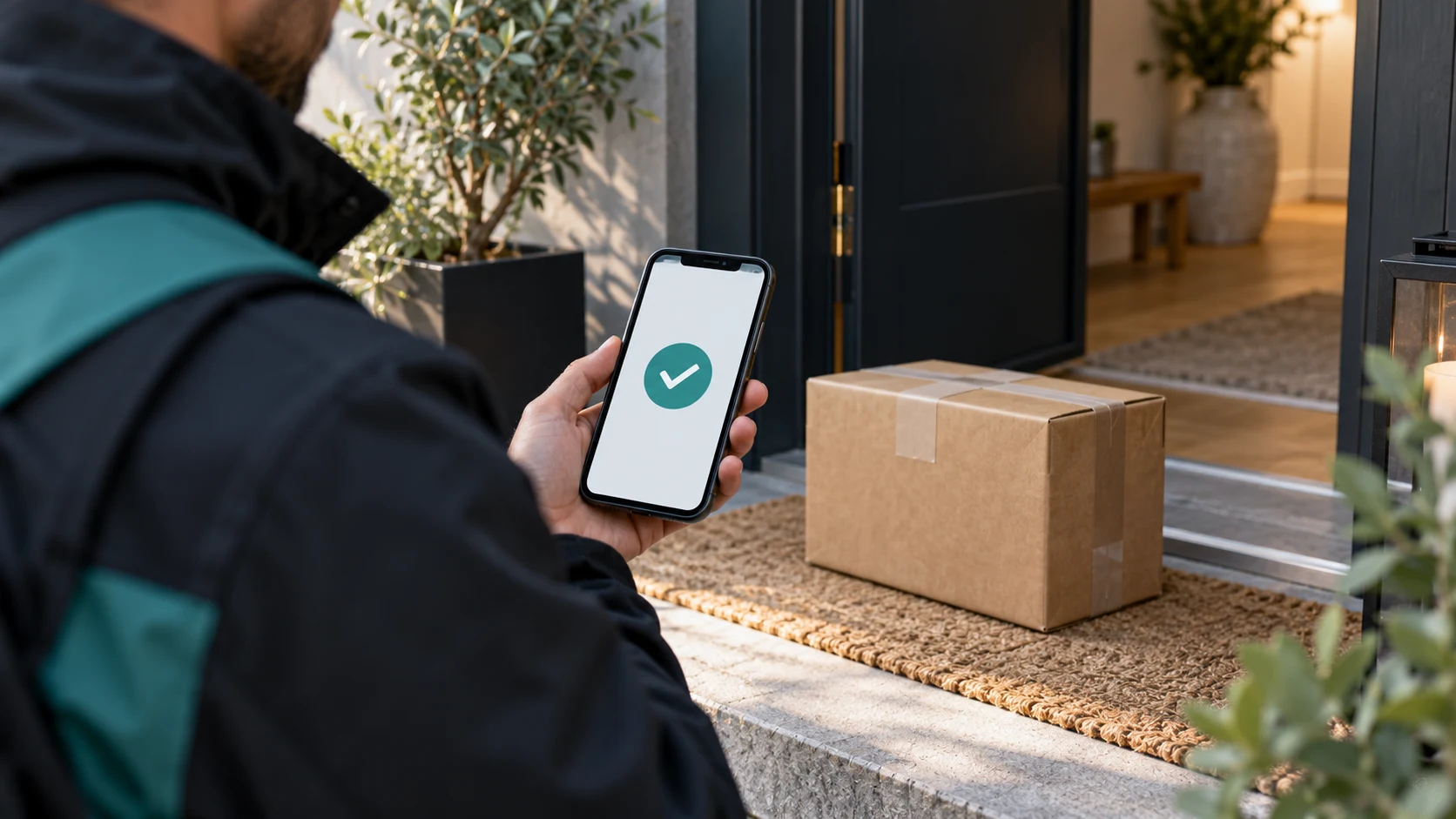
Proof of delivery can include a photo, signature or ID verification. Select the method according to the item, the recipient and the risk.
Clear proof protects the customer and the delivery company. It also gives support teams the information needed to resolve questions without repeated calls to the driver.
9. Classify exceptions by root cause
Do not treat every failed or late delivery as a driver issue. Separate causes into categories such as invalid address, customer unavailable, access restriction, late loading, unrealistic service time, capacity mismatch, traffic disruption and vehicle issue.
Review frequency and impact. A common low-impact issue may deserve automation, while a rare high-impact issue may need a contingency plan.
10. Create a weekly improvement loop
Compare planned routes with actual outcomes. Update service-time assumptions, zone rules and planning configurations using reliable historical data.
Select one or two process changes each week, assign an owner and track the effect. Continuous small improvements are easier to sustain than a major optimization project that ends after implementation.
What should a last-mile optimization dashboard show?
A useful dashboard highlights current risk and long-term improvement. For live operations, show routes behind plan, at-risk time windows, unassigned orders and unresolved exceptions. For management review, show delivery success, time-window accuracy, distance, productivity, customer feedback and exception trends.
The dashboard should allow teams to move from a network-level result to the route, stop or exception that explains it.
Common last-mile optimization mistakes
One common mistake is optimizing one metric in isolation. Another is automating a broken process without first defining standard data and workflows. Teams also lose value when route planning, driver execution and customer communication sit in separate systems with no shared operational picture.
Technology helps most when ownership is clear. Decide who corrects order data, approves routes, monitors exceptions, contacts customers and reviews performance.
How Shyping supports last-mile optimization
Shyping combines route planning, a back-office control layer, a driver application and a consumer-facing tracking experience. Route plans can reflect mixed fleets and operational constraints. Dispatchers can monitor and support drivers in real time, while customers receive clearer delivery information and proof of delivery.
Because the solution is modular, teams can align implementation with their current process and expand as operational needs grow.
Final takeaway
To optimize last-mile delivery, connect accurate data, realistic planning, driver execution, live control and customer communication. Start by defining success, then fix the largest source of exceptions. Measure the result and feed what you learn into the next planning cycle.
Frequently asked questions
What is last-mile delivery optimization?
Last-mile delivery optimization is the improvement of planning and execution for the final journey from a depot, store or hub to the recipient. It aims to increase successful, on-time deliveries while controlling distance, time and cost.
How does route optimization improve last-mile delivery?
Route optimization sequences stops and assigns work while considering constraints such as time windows, capacity, traffic and vehicle type. This creates more executable routes and reduces avoidable travel.
Which KPIs should last-mile teams track?
Track on-time delivery, first-attempt success, time-window accuracy, distance per successful stop, stops per hour, exceptions by cause and customer contacts per delivery.
Can small delivery fleets benefit from optimization software?
Yes. Small fleets often gain value by replacing manual planning, reducing dispatcher workload and creating consistent driver and customer workflows. The right system should fit current complexity and scale without unnecessary features.
Why are predictive ETAs important?
Predictive ETAs help dispatchers identify risk early and give customers a more realistic expectation. They are more useful than a static window when route conditions change.
Related reading
See how Shyping fits your delivery operation
Connect route planning, live operations, driver workflows and customer communication around the way your team delivers.